

15 Aug Unleashing the Future of Entertainment: Mobile Gaming’s Rise to Mainstream Glory
As I sat on the bus, watching a passenger play a game on their phone, I couldn’t help but notice the hours ticking by with nary a glance at the clock. The game was some sort of puzzle, with bright colors and addictive music, and it was clear that this person had been sucked in. Mobile gaming has come a long way since the early days of Snake and Tetris, and its impact on the entertainment industry is undeniable.
Step 1: The Dawn of a New Era
Mobile gaming’s rise to mainstream glory began around 2010, when the first smartphones with decent processing power and touchscreen displays started to appear. This was a turning point, as it allowed developers to create more complex and engaging games that could be played on the go.
At this time, the average mobile game was little more than a simple puzzle or shooter, but as the technology improved, so did the quality of the games. The introduction of in-app purchases and freemium models also changed the way games were monetized, allowing developers to generate revenue without having to charge a flat fee for the game itself.
Step 2: The Rise of Hyper-Casual Games
Fast forward to today, and the mobile gaming landscape has changed dramatically. Hyper-casual games, which are simple, easy to learn, and extremely addictive, have become the norm. These games are designed to be played in short bursts, often with the goal of earning rewards or competing with friends.
The most popular hyper-casual games are often little more than a collection of simple mechanics strung together, but they have proven to be incredibly effective at keeping players engaged. According to a recent study, the average player spends around 30 minutes per day playing hyper-casual games, with some players reporting as much as 2 hours per day.
Step 3: The Emergence of Mobile Esports
As mobile gaming continues to grow in popularity, a new trend is emerging: mobile esports. This is a competitive scene where professional players compete against each other in games such as PUBG Mobile and Mobile Legends.
The mobile esports scene is still in its infancy, but it has the potential to become a major player in the gaming industry. In fact, a recent tournament saw a prize pool of over $1 million, with teams competing from all over the world.
Common Mistakes to Avoid
One common mistake that mobile game developers make is neglecting the importance of user experience. A game that is difficult to navigate or has poor graphics can be a major turn-off for players, and can ultimately lead to a game’s downfall.
Another mistake is failing to adapt to changing trends and technologies. The mobile gaming landscape is constantly evolving, and developers need to stay on top of the latest trends and technologies in order to remain competitive.
The Future of Mobile Gaming
As mobile gaming continues to grow in popularity, it’s clear that the future is bright. With the rise of hyper-casual games and mobile esports, there has never been a better time to be a mobile gamer.
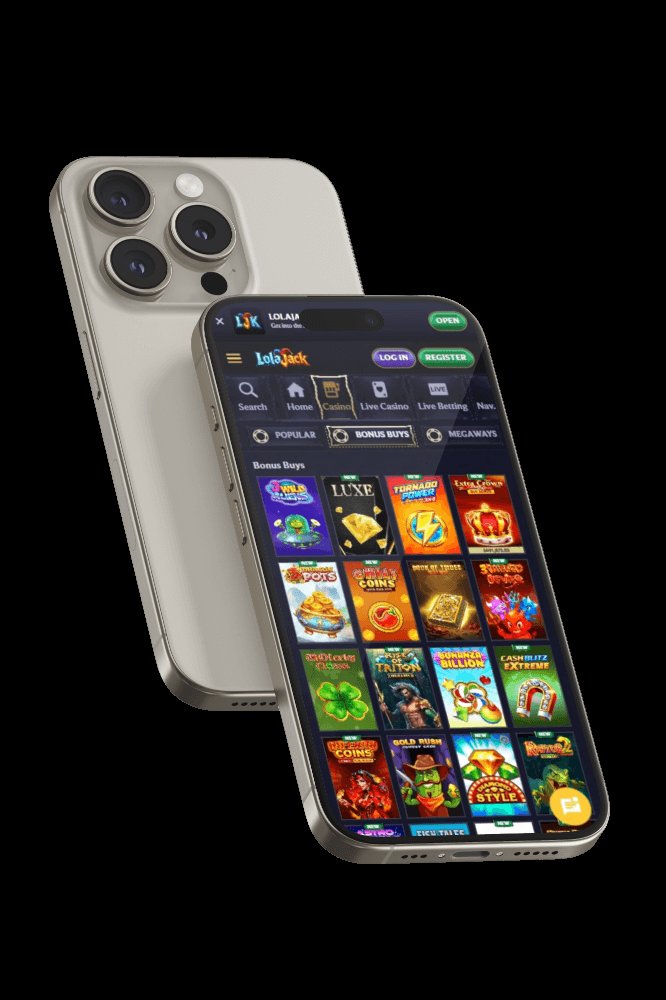
But as we look to the future, it’s also worth noting that mobile gaming is not without its challenges. The rise of online gaming and casino-style games, such as those offered by Lola Jack, has raised concerns about addiction and social responsibility. As the industry continues to grow, it will be interesting to see how developers and regulators respond to these challenges.
Conclusion
In conclusion, mobile gaming has come a long way since its humble beginnings. From the early days of Snake and Tetris to the modern era of hyper-casual games and mobile esports, the industry has undergone a significant transformation. As we look to the future, it’s clear that mobile gaming will continue to play a major role in the entertainment industry, and we can’t wait to see what’s next.
Frequently Asked Questions
What sparked mobile gaming’s rise to mainstream success?
The dawn of a new era in mobile gaming began around 2010-2012 with the release of high-quality mobile games like Angry Birds and Candy Crush, which attracted millions of players and set the stage for the industry’s growth.
How has mobile gaming impacted the entertainment industry?
Mobile gaming has had a significant impact, shifting consumer preferences and driving innovation in game development, storytelling, and user engagement.
No Comments